Cornstarch Substitute: Best Alternatives with Tips & Uses
If you’ve ever reached for cornstarch in the kitchen only to find you’re out, don’t worry — you’re not alone. Cornstarch is a popular thickening agent used in sauces, soups, and baked goods, but there are plenty of substitutes for cornstarch that work just as well. Whether you’re looking for a cornstarch substitute for baking, or need to know if you can use flour substitute for cornstarch, this guide has you covered.
Based on culinary expertise and kitchen-tested alternatives, here’s a complete look at the best cornstarch substitutes and how to use them effectively.

You can also visit our best easy tips and experiments for the following subsitute.
What Is Cornstarch and Why Substitute It?
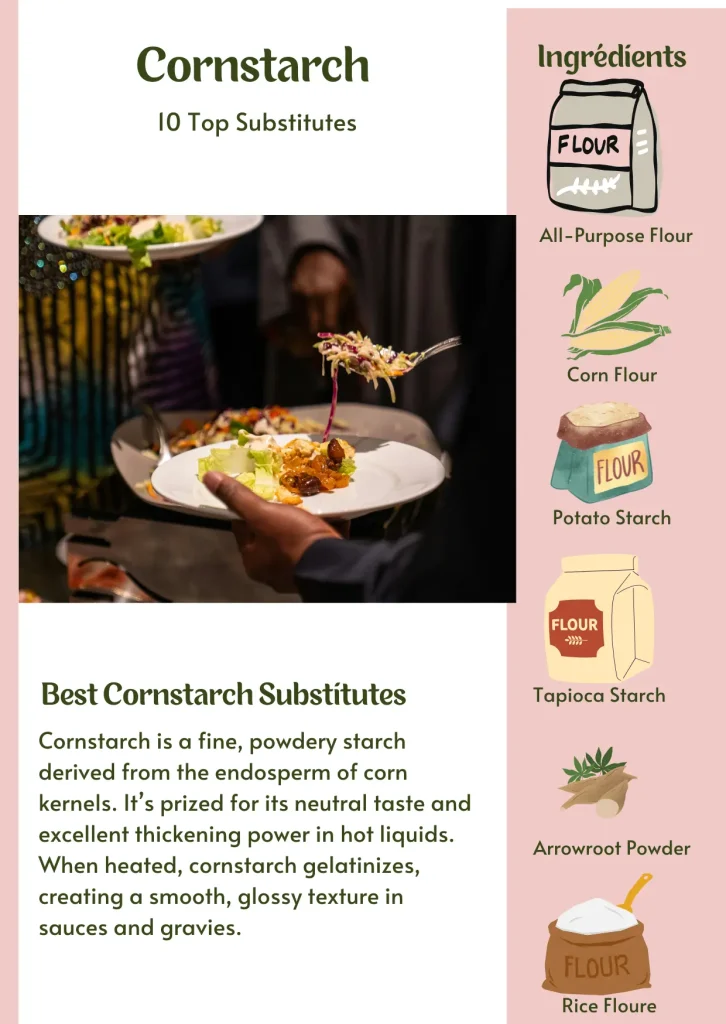
Cornstarch is a fine, powdery starch derived from the endosperm of corn kernels. It’s prized for its neutral taste and excellent thickening power in hot liquids. When heated, cornstarch gelatinizes, creating a smooth, glossy texture in sauces and gravies.
However, you might need a substitute for cornstarch if:
- You don’t have any cornstarch on hand.
- You want to avoid corn products due to allergies or dietary preferences.
- You need a gluten-free thickener alternative.
- Your recipe calls for a different texture or cooking property.
The key to a successful substitution is choosing the right ingredient that matches the thickening strength and behavior of cornstarch.

Top Cornstarch Substitutes & How to Use Them
1. All-Purpose Flour (Flour Substitute for Cornstarch)
All-purpose flour is the most common and versatile substitute for cornstarch. It thickens well but has less thickening power, so you’ll need to use about twice as much flour as cornstarch.
How to Use:
- Use 2 tablespoons of all-purpose flour for every 1 tablespoon of cornstarch.
- Mix with a cold liquid before adding to hot dishes to prevent lumps.
- Best for gravies, soups, and sauces.

Pros:
- Easy to find and inexpensive.
- Adds slight opacity, good for rustic dishes.
Cons:
- Doesn’t create as glossy a finish as cornstarch.
- Contains gluten (not suitable for gluten-free diets).
2. Corn Flour (Corn Flour Substitute for Cornstarch)
Corn flour is often confused with cornstarch but is slightly different — it’s more finely ground cornmeal. It can be used as a thickener but behaves slightly differently.
How to Use:
- Substitute in a 1:1 ratio for cornstarch.
- Mix well with cold water before adding to hot liquids.

Pros:
- Gluten-free.
- Similar thickening properties.
Cons:
- May have a slightly grainier texture.
- Can impart a mild corn flavor.
3. Potato Starch | Cornstarch Substitute
Potato starch is a great gluten-free thickener with a neutral flavor and works similarly to cornstarch.
How to Use:
- Use equal parts potato starch to substitute for cornstarch.
- Add at the end of cooking to prevent breaking down.

Pros:
- Excellent thickening power.
- Works well in high heat.
Cons:
- Can become slimy if overcooked.
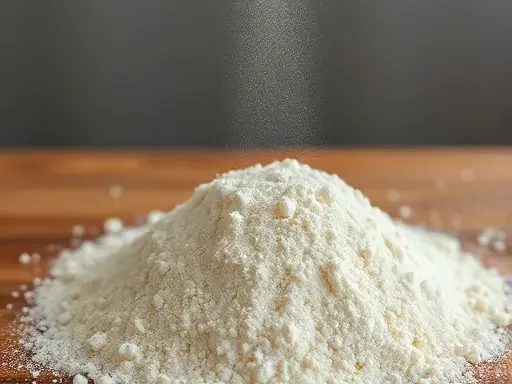
4. Tapioca Starch / Tapioca Flour | Cornstarch Substitute
Derived from cassava root, tapioca starch is another excellent thickener, especially for sauces and pie fillings.
How to Use:
- Substitute tapioca starch 1:1 for cornstarch.
- Stir in cold water before adding to hot liquids.

Pros:
- Produces a clear, glossy finish.
- Works well for freezing and thawing.
Cons:
- Can become gummy if overused.
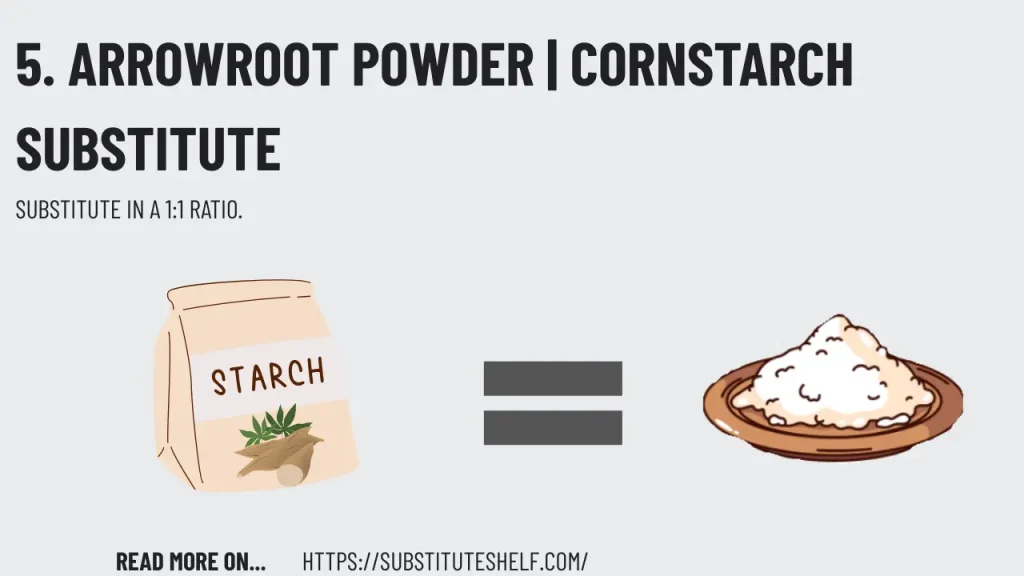
5. Arrowroot Powder | Cornstarch Substitute
Arrowroot powder is a natural starch extracted from tropical plants. It’s prized for its glossy finish and neutral taste.
How to Use:
- Substitute in a 1:1 ratio.
- Avoid boiling as arrowroot thickens at lower temperatures.
Pros:
- Works well with acidic liquids.
- Good for gluten-free cooking.
Cons:
- More expensive and less common.
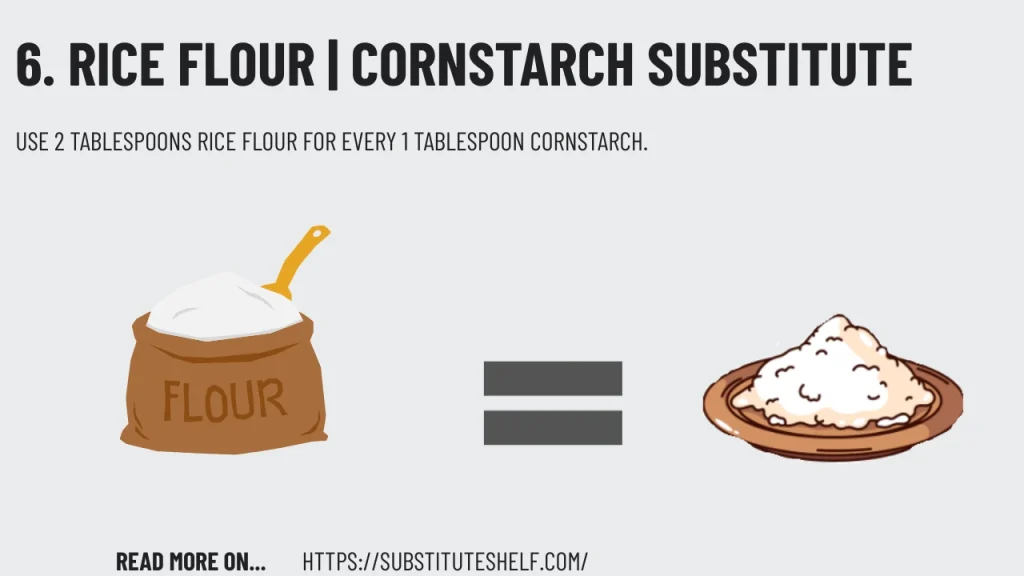
6. Rice Flour | Cornstarch Substitute
Rice flour is another gluten-free option that works best for thickening soups and sauces.
How to Use:
- Use 2 tablespoons rice flour for every 1 tablespoon cornstarch.
- Mix with cold water before adding to hot dishes.
Pros:
- Gluten-free and mild flavor.
- Good for Asian-style dishes.
Cons:
- Slightly less thickening power.
Can You Substitute Flour for Cornstarch in Baking?
Many bakers wonder, can I substitute flour for cornstarch in baked goods? The answer is yes, but with some adjustments.
- All-purpose flour can replace cornstarch in cake and cookie recipes, but it may affect texture and tenderness.
- Use 2 tablespoons of flour for every 1 tablespoon of cornstarch.
- In some recipes, cornstarch helps create a lighter crumb, so replacing it with flour may result in denser baked goods.
Cornstarch Substitute for Baking: What Works Best?
If your recipe calls for cornstarch as a tenderizing agent in cakes or cookies, all-purpose flour substitute for cornstarch works well. Tapioca starch or arrowroot powder can also be used for a lighter, softer texture.
Quick Comparison Table: Cornstarch Substitutes
| Substitute | Ratio (to 1 tbsp cornstarch) | Gluten-Free | Best For | Notes |
|---|---|---|---|---|
| All-purpose flour | 2 tbsp | No | Sauces, soups, baking | Less thickening power |
| Corn flour | 1:1 | Yes | Sauces, gravies | Slight corn flavor |
| Potato starch | 1:1 | Yes | Sauces, high heat | Avoid overcooking |
| Tapioca starch | 1:1 | Yes | Pies, sauces | Gummy if overused |
| Arrowroot powder | 1:1 | Yes | Acidic sauces | Don’t boil |
| Rice flour | 2 tbsp | Yes | Soups, Asian dishes | Mild flavor |
Tips for Substituting Cornstarch Successfully
- Always mix your substitute with cold water to prevent lumps.
- Add thickener towards the end of cooking to avoid breakdown.
- Adjust quantities based on desired thickness and recipe type.
- For gluten-free needs, avoid all-purpose flour and choose starches like potato or tapioca.
FAQs About Cornstarch Substitutes
Q: What is a substitute for cornstarch in sauces?
A: All-purpose flour, arrowroot powder, or tapioca starch are excellent substitutes.
Q: Can I use corn flour instead of cornstarch?
A: Yes, but corn flour may add a slight corn flavor and texture.
Q: Can I substitute flour for cornstarch in baking?
A: Yes, but use double the amount and expect a denser texture.
Q: What are the best gluten-free substitutes for cornstarch?
A: Potato starch, tapioca starch, arrowroot powder, and rice flour.
Conclusion
Finding the right cornstarch substitute depends on your recipe and dietary needs. From all-purpose flour substitute for cornstarch to gluten-free options like potato starch and arrowroot powder, there’s a perfect thickener waiting in your pantry. Whether for baking or sauces, these alternatives will keep your dishes delicious and perfectly textured.

Hi, I’m Katty, and I love helping home cooks find easy, tested ingredient replacements that actually work. All substitutes on this site are based on real kitchen experience and food science — so you can cook confidently every time!