
Find the Best Ingredient Substitute Instantly
Find the Right Substitute — Instantly
Search any of our 124 ingredient guides. Start typing and pick the one you need.
I’ve burned a batch of cookies because I swapped baking soda for baking powder like they were the same thing. They are not the same thing. I found that out the hard way, at 9 p.m., with flour on the counter and nowhere open to buy the real stuff.
That’s basically why this site exists. Not because I set out to build “the internet’s most comprehensive substitution database” — but because I got tired of half-answers. You search “buttermilk substitute” and you get five blogs telling you “milk + vinegar,” with no ratio, no explanation of why it works, and no warning about the one thing that’ll ruin your batter if you get it wrong. So you guess. Sometimes it works. Sometimes you’re eating a flat cake.
Substitute Shelf is my attempt to fix that, one ingredient at a time. If you’ve landed here because you’re missing something mid-recipe, welcome — grab what you need and go save your dinner. If you’re curious about how this site works and why you should trust what’s on it, keep reading. I’d rather be upfront about that than pretend to be something I’m not.
What This Site Actually Is
I’m Katty. I’m a home cook, not a food scientist, not a professional chef, and I want to say that clearly instead of dressing it up. What I am is someone who cooks constantly, runs out of ingredients constantly, and has spent an unreasonable amount of time cross-checking substitution ratios against cookbooks, food science writing, and my own kitchen trial and error, because I got sick of bad advice online.
This site is small and it’s growing slowly, on purpose. I’d rather publish forty genuinely useful guides than four hundred thin ones. Some pages here are better than others — the older ones, especially, need work, and I’m going back through them. If you land on a guide that feels shallow or generic, that’s fair feedback, and it’s probably next on my list to rewrite. I’d rather admit that than pretend every page is perfect.
What you won’t find here: a “team of culinary experts,” because there isn’t one — it’s just me, sometimes with help from a couple of friends who bake more seriously than I do and are kind enough to sanity-check my ratios. What you will find: real answers, written by someone who actually tests the swap before writing about it, not someone who summarized five other blogs and called it a day.
How I Decide What Goes On This Site
I want to be specific about this, because “tested” gets thrown around a lot on food sites and it usually means nothing. Here’s what it actually means on Substitute Shelf:

I make the substitution myself, in my own kitchen, before I write about it.
Not every single time for every single use case — I can’t personally bake forty variations of every cake with every substitute — but for the core, most-searched swaps (buttermilk, eggs, cornstarch, heavy cream, baking soda), I’ve made the thing with the substitute in it and paid attention to what actually happened: did it rise the same, did it taste different, did the texture change.

I cross-reference ratios against reliable sources,
not just other blogs. Food science explains why a substitute works — baking soda needs an acid to activate, cornstarch and flour thicken differently because of how their starches gelatinize, buttermilk’s acidity reacts with leavening agents. When I explain the “why,” I’m pulling from that kind of source, not repeating a number I saw somewhere else without knowing where it came from.

I tell you when something doesn’t work as well as people claim.
A lot of substitution lists will tell you flax “eggs” work in absolutely everything. They don’t. They’re great in dense, moist bakes like muffins and brownies, and pretty disappointing in something delicate like a sponge cake where eggs are doing structural work. I’d rather tell you that upfront than let you find out with a ruined cake.
When I haven’t personally tested something, I say so.
You’ll start seeing a short note on guides where that’s the case — something like “I haven’t tested this exact combination myself yet, but here’s what the ratio and reasoning suggest.” I think that’s more useful than fake confidence.
This is a work in progress. I started this site in late 2025 and I’m still filling in gaps, still rewriting early pages that were rushed, still adding real photos where I only had stock ones before. If that sounds like a small operation rather than a polished corporate content farm — that’s exactly what it is, and I think that’s a feature, not a flaw.
What You’ll Actually Find Here
Every guide on this site follows the same basic shape, because I think it’s the shape that’s actually useful when you’re standing in your kitchen with a recipe half-finished:
- The exact ratio. Not “use a similar amount” — an actual number, like “1 cup buttermilk = 1 cup milk + 1 tablespoon white vinegar or lemon juice, rested 5–10 minutes.”
- What changes. Flavor, texture, color, how it browns, how it rises. If a swap will make your pancakes slightly denser or your sauce slightly less glossy, I want you to know that before you commit, not after.
- Best use cases and worst use cases. Some substitutes are great for cooking but terrible for baking, or fine in a pinch for one recipe and a disaster in another. I try to be specific about that instead of giving one blanket answer.
- Dietary variations, where they matter — vegan, dairy-free, gluten-free, lower-sugar, nut-free — because “the substitute” often depends on why you’re substituting in the first place.
I’m not trying to be the biggest substitution site on the internet. I’m trying to be the one you trust enough to actually follow without a second Google search to double-check me.
Browse by Category
Baking Substitutes
Baking is where substitutions matter most, because baking is chemistry, not vibes. Swap the wrong thing and your cookies spread flat, your cake doesn’t rise, or your bread turns into a brick. This is the category I’m proudest of, because I’ve genuinely made most of the mistakes myself first.
Start here if you’re missing:
- Buttermilk — the classic milk-and-acid trick, plus why it works and when it won’t
- Eggs, for baking specifically — different swaps for binding vs. leavening vs. moisture, because “an egg substitute” isn’t one thing
- Baking powder and baking soda — these two get confused constantly, and mixing them up is the single most common baking mistake I see
- Heavy cream — for whipping, for sauces, and for baking, which all need slightly different approaches
- Brown sugar — an easy fix most people overcomplicate
- Cornstarch — for thickening pie fillings and custards specifically, not just sauces
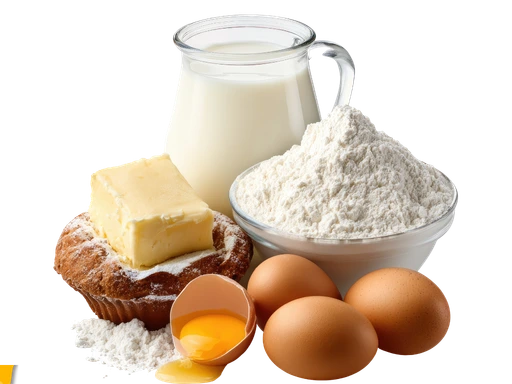
Buttermilk Substitute
Perfect for pancakes, muffins, and biscuits. Learn how to make buttermilk in minutes using milk and lemon juice or vinegar.
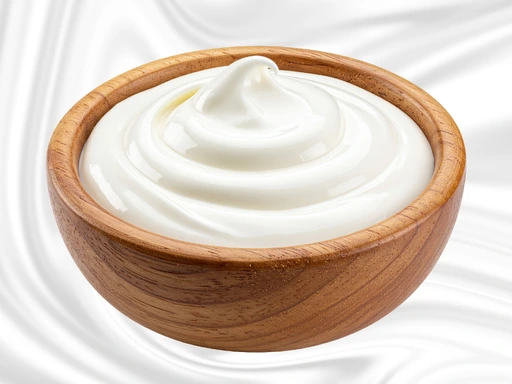
Heavy Cream Substitute for Sauce
Need a lighter or dairy-free version? Discover easy alternatives using butter, milk, or coconut cream.

Egg Substitute for Baking
Run out of eggs or baking vegan? Find tested swaps using applesauce, flaxseed, or yogurt for the best texture and rise.
Cooking Substitutes
This is the bigger, faster-moving side of the site — everyday swaps for savory cooking, sauces, herbs, oils, and pantry basics. Less chemistry, more “does this taste right and does it do the job.”
Popular starting points:
- Soy sauce — tamari, coconut aminos, and homemade versions, with notes on sodium and gluten
- Onion and parsley — for allergies, dislikes, or just an empty crisper drawer
- Olive oil — which neutral oils work where, and where olive oil’s flavor actually matters
- Tomato paste — using what’s already in your pantry instead of buying a whole can for one tablespoon
- Quinoa, orzo, and potato starch — grain, pasta, and thickener swaps for specific dishes
Ingredient Deep-Dives
Some ingredients deserve more than a quick swap list because they do several different jobs depending on the recipe — milk, eggs, and sweeteners especially. These guides break the ingredient down by function first (does it add moisture? structure? sweetness? tang?) so you can pick the right substitute for what that ingredient is actually doing in your specific recipe, not just what it’s called.
Tools
A smaller, newer part of the site. Right now this is mostly the substitute finder tool — type in an ingredient, get a quick answer without reading a full article, for when you genuinely just need the ratio and nothing else. I’m planning to build this out more.
Why Learning Substitutions Actually Matters
I used to think substitution guides were a slightly silly SEO trick — an easy way to catch search traffic from people who ran out of something. Then I started actually paying attention to why people search for this stuff, and it’s more interesting than I expected.
Money is a bigger factor than people admit. Groceries aren’t cheap right now, in most places. Buying a specialty ingredient for one recipe you’ll make twice a year is a real cost, and knowing you can use something from your existing pantry instead — safely, without wrecking the dish — actually adds up over a year of cooking.
Allergies and intolerances aren’t a niche concern anymore. Dairy, eggs, gluten, nuts — a huge number of people are cooking around at least one of these, either for themselves or for someone they’re feeding. A good substitution isn’t a workaround for them. It’s the difference between being able to make the recipe at all or not.
Sometimes the “substitute” is genuinely better for what you’re doing. Applesauce instead of oil in a muffin isn’t just a lower-calorie trick — it changes the crumb in a way some people actually prefer. Greek yogurt instead of sour cream adds protein and a slightly different tang that works beautifully in some dressings. I try to flag these cases specifically, because “substitute” implies a downgrade, and that’s not always true.
And honestly — running out of something mid-recipe is stressful in a specific, annoying way. You’re mid-mix, hands covered in batter, and suddenly you’re one ingredient short. Nobody wants to abandon dinner and drive to the store. A reliable substitute, with a real ratio, solves an actual small crisis in an actual person’s actual evening. That’s a more honest reason for this site to exist than any SEO strategy.
Mistakes People Make When Substituting (That I’ve Made Too)
Treating baking soda and baking powder as interchangeable. They’re not. Baking soda needs an acid in the recipe to activate; baking powder already has one built in. Swap them 1:1 without adjusting anything else and you’ll either get a flat bake or a bitter, metallic aftertaste.
Ignoring what a substitute does to liquid ratios. Applesauce, mashed banana, and yogurt all add moisture on top of replacing whatever they’re standing in for. If you don’t reduce another liquid slightly, your batter can end up too wet.
Assuming “vegan substitute” means “flavorless.” It usually doesn’t — it just means different, and sometimes that difference is genuinely good once you stop expecting it to taste exactly like the original.
Substituting for flavor-critical ingredients without adjusting anything else. Something like fish sauce or Parmesan isn’t just salty — it’s carrying specific savory compounds the rest of the dish is built around. A straight swap can leave a dish tasting “off” in a way that’s hard to pin down. I try to call this out specifically instead of pretending every 1:1 swap tastes identical.
Not accounting for how a substitute behaves under heat. Some fats melt and separate differently than butter. Some flours brown faster or slower. A ratio can be technically correct and still surprise you in the oven if you don’t know what to expect.
What Makes a Substitute “Good” Instead of Just “Possible”
Almost anything can technically replace almost anything else if you’re desperate enough. That’s not the same as it being a good substitute, and I think a lot of sites blur that line because a longer list looks more impressive than an honest one.
Here’s roughly how I think about it when I’m deciding whether something belongs on a guide:
Does it do the same job in the recipe, not just taste similar? Butter isn’t just fat — in a lot of baking it’s also trapping air when you cream it with sugar, which is part of how a cake gets its rise. Swap in a liquid oil and you lose that mechanical function even if the flavor is close. A good substitute guide tells you that; a lazy one just says “oil works too” and leaves you wondering why your cake came out dense.
Is it something you’re actually likely to have? There’s a genre of substitution list where the “substitute” for a common pantry item is something even less common — telling someone who’s out of brown sugar to use a specialty syrup they’d have to special-order defeats the purpose. I try to prioritize genuinely accessible options first, with the more unusual ones lower down for people who do have them on hand.
Does the guide tell you what you’re trading away? Every substitution is a trade-off of some kind — texture for convenience, flavor for dietary need, cost for quality. I’d rather spell that out than let you find out mid-recipe. If a swap will make your sauce noticeably thinner or your cookies noticeably chewier instead of crisp, you deserve to know that before you commit a batch of ingredients to it, not after you’ve already baked it.
Is the ratio actually usable, or just theoretically true? “A pinch” and “to taste” show up a lot in cooking, reasonably so — but for baking especially, vague measurements aren’t good enough, because baking doesn’t forgive imprecision the way a soup does. If I can give you a real number, I do. If a ratio genuinely does depend on your specific recipe (some do), I explain what to adjust for and why, instead of pretending there’s one universal number when there isn’t.
This is also why you’ll notice some of my guides are shorter than competitors’ — I’d rather cut a substitute that’s marginal or hard to source than pad a list to hit a round number like “15 substitutes” when honestly only six of them are worth using.
How to Actually Use This Site
Search bar at the top if you know exactly what you’re missing — type the ingredient, get straight to the guide. If you’re browsing rather than in a mid-recipe emergency, the category pages are organized by what you’re doing (baking vs. cooking) rather than alphabetically, because that’s usually a more useful way to think about it when you’re deciding what to swap.
Each guide is written to be skimmable if you’re in a hurry — ratio near the top, so you’re not scrolling through three paragraphs of story to find the number you need — but with the full explanation underneath if you want to understand the “why,” or if your situation is a little different from the standard case (different diet, different recipe type, different amount needed).
About Me, Honestly
I’m Katty. This started as a genuinely small project — I was cooking a lot, getting frustrated with vague advice online, and started writing down what actually worked for me. It grew from there. I’m not a professional chef and I don’t want to pretend to be one; what I bring is a lot of actual kitchen time, a habit of checking my assumptions against real food science instead of guessing, and a low tolerance for content that sounds confident but isn’t backed by anything.
I get things wrong sometimes. When a reader tells me a ratio didn’t work the way I described, I go back and check it, and if I got it wrong, I fix the page. That’s not a weakness I’m hiding — it’s how I’d want a site like this to work if I were the one reading it.
If you want to reach out — a correction, a substitute you think I’m missing, a recipe you’re stuck on — the contact page goes straight to me, not a support queue.
A Few Questions People Ask Me Often
Can I always substitute 1:1? No, and I’d be lying if I said yes just to keep things simple. Some swaps are a clean 1:1 — plain oat milk for regular milk in most recipes, for instance. Others need an adjusted ratio, an extra step (like resting milk with vinegar to make a buttermilk substitute), or aren’t 1:1 at all, like using cornstarch instead of flour to thicken a sauce, where you typically need about half as much cornstarch. Each guide gives you the actual number, not a shortcut that might not apply to your recipe.
What if I need a substitute for a substitute? It happens more than you’d think — you’re out of buttermilk and out of the milk you’d use to fake it. Most guides list a few different options specifically so you’re not stuck if the first one isn’t available either.
Are these substitutes safe for allergies, or just convenience swaps? It depends on the guide, and I try to be explicit about which is which. Some substitutions here are purely about convenience (you’re out of something, here’s what’s in most pantries). Others are specifically about dietary and allergy needs, and I flag those clearly — but if you have a serious allergy, please still double-check any packaged product’s actual ingredient label. I write about general substitution principles; I can’t verify what’s in every specific brand you might buy.
Why don’t all your guides have photos of your own testing yet? Because I’m one person rewriting a growing site, and I’d rather be honest about the pace than fake it. Older guides are being updated with real photos and more specific detail as I get to them. If a particular ingredient guide would help you more with that added detail sooner, tell me on the contact page — reader requests move a page up my list.
Do you get anything if I click your links? Where they exist, affiliate or product links are marked, and they never change which substitute I recommend — the ratio and the advice come first, and if a good option happens to have a link, that’s separate from why it’s on the list.
Before You Go
If you came here mid-recipe: go fix your dish, that’s the whole point. If you came here to figure out whether this site is worth trusting before you follow its advice — I hope this page answered that more honestly than a mission statement full of buzzwords would have. This isn’t a huge operation, and I’m not going to pretend it is. It’s one person who cares more than average about getting the ratio right, still building this out, guide by guide.
Missing something in your kitchen right now? Search above, or start with one of the most-asked guides and go save your recipe.